


Wireless headphones have become a normal part of everyday life. From listening to music at the gym to joining video meetings at work, millions of people now rely on them daily. Because of this widespread use, many users naturally ask an important question: Are Wireless Headphones Safe for long-term use? While modern audio devices offer convenience and impressive sound quality, concerns about wireless headphones safety, Bluetooth headphones safety, and possible wireless headset radiation continue to spark curiosity. Some people also wonder about RF radiation from headphones and whether it could affect health over time. Understanding how these devices work and what research actually says can help you make smarter choices while enjoying the benefits of wireless audio technology.
Are Wireless Headphones Safe: What Are Wireless Headphones and How Do They Work?
Wireless headphones connect to devices without cables. They rely on wireless headset technology that sends sound signals through the air instead of wires. This system allows phones, tablets, and laptops to send music through wireless communication signals, making listening simple and convenient.
Modern true wireless headphones work through a tiny radio transmitter inside the device. These transmitters create radio frequency (RF) waves that travel from the phone to the earbuds. This process belongs to a group of non-ionizing electromagnetic radiation technologies used in many everyday electronics.
Are Wireless Headphones Safe: Definition of Wireless Headphones
Wireless headphones are audio devices that receive sound through radio signals rather than cables. They represent an important part of Bluetooth audio devices used worldwide. Many consumers choose them for comfort and portability while still enjoying high-quality sound.
Most wireless earbuds operate using short-range signals powered by small batteries. These signals create electromagnetic field (EMF) radiation, which raises discussions about EMF radiation headphones and possible EMF exposure from devices used near the body.
Are Wireless Headphones Safe: How Bluetooth and RF Technology Work
Bluetooth headphones transmit sound using the Bluetooth 2.4 GHz frequency, which allows devices to communicate over short distances. This signal travels through electromagnetic wave transmission that moves data between a phone and headset.
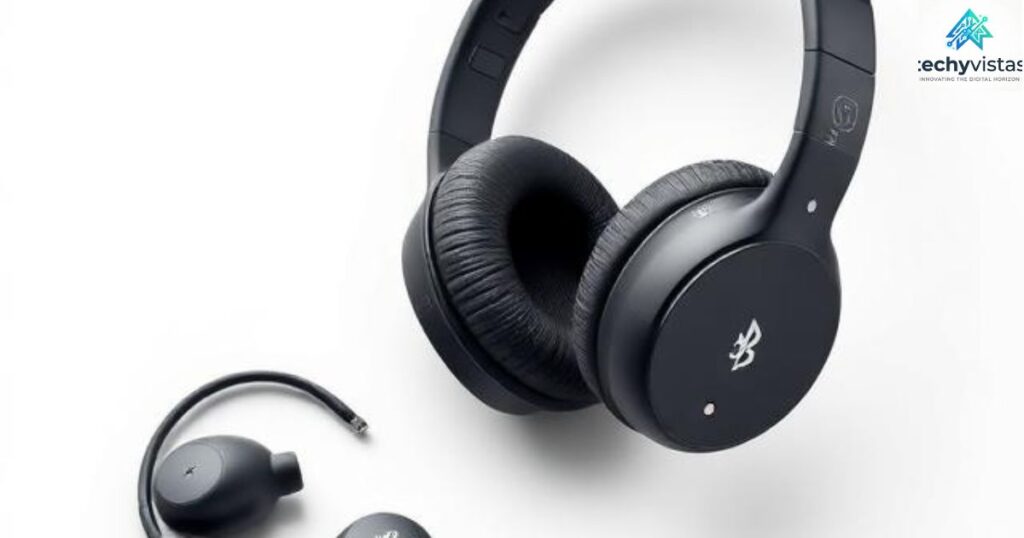
RF headphones work slightly differently. They use broader radio frequency radiation ranges generated through antenna generated RF fields. These signals allow wireless listening while raising questions about RF radiation from headphones and possible RF electromagnetic fields near the head.
Are Wireless Headphones Safe: Types of Wireless Headphones (Bluetooth, RF, True Wireless)
Most wireless headphones fall into three categories. Bluetooth models connect directly to smartphones. RF headphones often connect to TVs through transmitters. Meanwhile, true wireless headphones like earbuds operate without any cables at all.
These different styles all rely on wireless signal transmission. Because of this design, many discussions around wireless earbuds safety and wireless headset vs Bluetooth headset comparisons continue to grow.
Are Wireless Headphones Safe: Why Wireless Headphones Have Become So Popular
Wireless headphones didn’t become popular overnight. Rapid improvements in wireless audio technology and changing phone designs helped boost the wireless headphone sales statistics seen across global markets.
Another reason is lifestyle change. Streaming music and podcasts everywhere has increased demand for portable devices. Because of this shift, noise-canceling wireless headphones and compact earbuds now dominate modern listening habits.
Are Wireless Headphones Safe: Convenience and Portability
One of the biggest advantages of wireless headphones is convenience. Without cables, users can move freely while exercising, commuting, or working. This freedom explains much of the strong wireless headphone market growth seen in recent years.
Bluetooth earbuds are small and easy to carry. They connect instantly with phones through wireless communication signals, making them one of the most convenient Bluetooth audio devices available today.
Are Wireless Headphones Safe: Improved Sound Technology
Sound quality has improved dramatically in recent years. Modern drivers, software tuning, and digital processing allow noise-canceling wireless headphones to deliver impressive sound clarity.
These improvements also rely on better electromagnetic wave transmission and stable Bluetooth headset technology. As a result, wireless sound quality now rivals traditional wired listening systems.
Are Wireless Headphones Safe: Growing Use with Smartphones and Streaming
The removal of headphone jacks from smartphones helped accelerate wireless adoption. Today most streaming services work perfectly with Bluetooth audio devices.
As people listen to podcasts, music, and audiobooks daily, the demand for reliable wireless communication devices continues to grow across the United States and worldwide.
Are Wireless Headphones Safe: The Science Behind Bluetooth and Radio frequency (RF) Radiation
Wireless headphones work using signals that belong to the electromagnetic spectrum. These signals include radio frequency radiation and radio frequency (RF) waves, which help transmit audio information wirelessly.
Unlike X-rays, these signals belong to non-ionizing electromagnetic radiation technologies. Scientists often study how these signals interact with the body to understand possible RF biological effects.
Are Wireless Headphones Safe: What Is RF Radiation?
RF radiation refers to energy waves used in wireless communication. Devices such as routers, phones, and headphones emit RF electromagnetic fields that allow signals to travel through the air.
These waves operate at low energy levels compared to harmful radiation. However, discussions about RF radiation from headphones and possible long-term radiation exposure continue to interest researchers.
Are Wireless Headphones Safe: Non-Ionizing Radiation Explained
Wireless headphones emit non-ionizing electromagnetic radiation, which means the energy level is too weak to break chemical bonds in human cells.
Although this type of radiation differs greatly from medical X-rays, some scientists still examine its possible RF biological effects and how EMF exposure to the brain might affect long-term health.
Are Wireless Headphones Safe: How Wireless Devices Emit EMF Signals
Wireless headphones contain tiny antennas that send signals through antenna generated RF fields. These signals create small amounts of electromagnetic field (EMF) radiation around the device.
Because headphones sit close to the head, researchers study brain tissue radiation exposure and wireless device radiation concerns to understand possible health effects.
Are Wireless Headphones Safe: Are Wireless Headphones Safe to Use?
Most experts say that everyday wireless headphones are generally safe when used responsibly. Current studies show that Bluetooth radiation exposure levels are much lower than many other electronic devices.
Still, many consumers want to understand how EMF radiation headphones affect the body. Researchers continue to study EMF exposure from devices to ensure long-term safety.
Are Wireless Headphones Safe: Current Scientific Evidence
Research on wireless audio devices is ongoing. Many studies suggest that Bluetooth vs cell phone radiation levels are significantly lower because Bluetooth signals operate at lower power.
However, scientists continue to examine potential long-term radiation exposure and possible DNA damage from radiation linked to repeated exposure.
Are Wireless Headphones Safe: Safety Standards and Regulations
Regulators set strict safety limits for electronic devices. In the United States, agencies use SAR (Specific Absorption Rate) testing to measure how much radiation the body absorbs.
These limits form part of global EMF safety standards, designed to keep consumer electronics well below harmful exposure levels.
Are Wireless Headphones Safe: Expert Opinions on Daily Use
Many health experts believe wireless headphones are safe when used properly. They recommend reducing exposure by increasing distance from radiation source whenever possible.
Simple habits like removing earbuds during breaks can support EMF exposure reduction while maintaining comfortable listening.
Are Wireless Headphones Safe: Potential Health Concerns Linked to Wireless Headphones
While most research shows low risk, some researchers still explore possible effects of RF radiation from headphones and long-term signal exposure.
These concerns often focus on how EMF exposure to the brain may affect tissues over time, especially when devices remain close to the head for many hours.
Are Wireless Headphones Safe: Radiation Exposure Concerns
Wireless headphones produce very small levels of electromagnetic field (EMF) radiation during use. This radiation travels through wireless signal transmission between devices.

Because headphones sit directly in the ear, some researchers study brain tissue radiation exposure and blood-brain barrier effects to understand potential health impacts.
Are Wireless Headphones Safe: Long-Term Usage Questions
One important question involves prolonged listening habits. Many users wear headphones several hours daily, which raises concerns about long-term radiation exposure.
Researchers continue studying possible neurological health risks and cognitive impairment risk connected to repeated exposure to wireless signals.
Are Wireless Headphones Safe: Public Health Debates
Public discussions about wireless device radiation concerns continue worldwide. Some scientists argue that more research is needed to fully understand potential risks.
Others believe existing EMF safety standards already provide strong protection for everyday technology users.
Are Wireless Headphones Safe: Hearing Problems Caused by Headphone Overuse
Radiation isn’t the only concern linked to headphone use. Loud listening levels can harm hearing over time.
Health experts say volume levels and listening duration play a larger role in hearing damage than Bluetooth radiation exposure.

Are Wireless Headphones Safe: Noise-Induced Hearing Loss
Listening to music at high volume can damage delicate ear cells. This condition is known as noise-induced hearing loss.
Even with safe wireless audio technology, prolonged exposure to loud sound can increase the risk of permanent hearing damage.
Tinnitus and Ear Ringing
Another common issue is tinnitus. This condition causes ringing or buzzing sounds in the ears after loud listening sessions.
Frequent headphone use may increase the chance of tinnitus if users ignore safe listening practices.
Ear Pain and Pressure in the Ear Canal
Wearing tight earbuds for long periods can create pressure in the ear canal. This discomfort sometimes leads to headaches or irritation.
Choosing comfortable true wireless headphones designed with ergonomic shapes can help reduce these problems.
Other Possible Side Effects of Wireless Earphones
Besides hearing concerns, headphones may cause minor physical discomfort when used incorrectly.
Proper hygiene and safe listening habits greatly improve wireless earbuds safety.
Ear Infections and Ear Wax Build-Up
Earbuds trap heat and moisture inside the ear canal. Over time, this environment may encourage bacteria growth.
Cleaning headphones regularly improves hygiene and helps maintain safe wireless headphones safety.
Reduced Focus and Distraction
Listening to music constantly can reduce awareness of surroundings. This distraction becomes risky while walking or driving.
Responsible headphone use improves both wireless earbuds safety and everyday situational awareness.
Comfort Issues During Long Listening Sessions
Some users experience fatigue when wearing headphones for many hours. Pressure from earbuds or headbands may cause discomfort.
Choosing high-quality noise-canceling wireless headphones with soft padding can improve long-term comfort.
Wireless Headphones vs Bluetooth vs Wired Headphones
Consumers often compare wired vs wireless headphones to decide which option feels safest and most convenient.
Each design offers different advantages depending on listening habits and comfort preferences.
Bluetooth Headphones
Bluetooth headphones rely on Bluetooth headset technology to connect directly with phones and tablets.
These devices transmit audio through radio frequency (RF) waves using low-power Bluetooth 2.4 GHz frequency signals.
RF Wireless Headphones
RF wireless headphones typically connect through base transmitters attached to televisions or computers.
These models use broader RF electromagnetic fields for longer listening ranges.
Wired Headphones
Traditional headphones rely on physical cables rather than wireless signals. Because they lack transmitters, they avoid RF radiation from headphones.
However, some researchers note that wires can still carry tiny electrical currents.
Key Differences and Safety Comparison
Wireless models provide greater freedom and portability. Wired headphones eliminate most signal emissions but restrict movement.
Understanding these differences helps users evaluate wireless headset vs Bluetooth headset options and overall listening safety.
Are AirPods and True Wireless Earbuds Safe?
True wireless earbuds like AirPods have become extremely popular worldwide.
However, discussions around Apple AirPods radiation and possible AirPods safety concerns often appear in technology and health discussions.
How AirPods Emit Signals
AirPods communicate with phones using wireless signal transmission powered by Bluetooth 2.4 GHz frequency.
This connection produces very small levels of electromagnetic field (EMF) radiation during use.
Research and Public Concerns
Some researchers investigate whether EMF exposure to the brain from earbuds could create long-term risks.
Studies comparing Bluetooth vs cell phone radiation generally show Bluetooth signals operate at significantly lower power.
Safety Tips for Using Wireless Earbuds
Experts recommend simple habits to reduce risk. Increasing distance from radiation source and taking listening breaks help limit exposure.
These small steps can support better EMF exposure reduction and overall wireless earbuds safety.
Are Air Tube Headsets a Safer Alternative?
Some companies promote special headphones designed to reduce signal exposure.
These models use air tube headset technology rather than traditional electrical wiring inside earbuds.
What Is an Air Tube Headset?
Air tube headsets replace part of the headphone wire with a hollow tube. Sound travels through air instead of electrical cables.
Because of this design, they are often marketed as anti-radiation headphones and EMF protection headphones.
How Air Tube Technology Works
Air tube headphones move the speaker away from the ear. This creates speaker displacement from ear, increasing distance from radiation source.
The remaining sound travels through hollow air tube sound transmission, which many companies describe as radiation protection earphones.
Pros and Cons of Air Tube Headsets
These headphones may reduce signal exposure while maintaining decent audio quality. Some users also appreciate the air tube earphones benefits linked to reduced EMF signals.
However, audio clarity may differ slightly compared with high-end wireless headphones.
Practical Tips to Use Wireless Headphones Safely
Simple listening habits can greatly improve wireless headphones safety without giving up modern technology.
Following expert advice helps reduce risks linked to both sound exposure and wireless signals.
Limit Listening Time
Long listening sessions increase the chance of hearing fatigue. Experts suggest limiting continuous headphone use whenever possible.
Short breaks help reduce EMF exposure from devices and support healthy listening habits.
Keep the Volume at Safe Levels
Lower volume levels protect sensitive ear cells. The common 60-60 rule recommends listening at 60 percent volume for no more than 60 minutes.
This habit helps prevent hearing damage from noise-canceling wireless headphones and other audio devices.
Take Regular Breaks from Earphones
Taking short listening breaks helps your ears recover from constant sound exposure.
These breaks also increase distance from radiation source, which supports additional EMF exposure reduction.
Choose High-Quality Headphones
High-quality headphones provide better sound balance. This allows comfortable listening without raising volume too high.
Choosing trusted brands also ensures compliance with global EMF safety standards.
Final Verdict: Should You Be Worried About Wireless Headphones?
Wireless headphones offer incredible convenience and sound quality. Current research suggests that everyday use produces extremely low Bluetooth radiation exposure compared with many other electronic devices.
Still, responsible listening remains important. Keeping volume low and taking breaks improves hearing health while reducing EMF exposure to the brain.
Overall, most experts agree that wireless headphones are safe when used wisely. By understanding the science behind wireless headset radiation and following simple precautions, you can enjoy modern audio technology with confidence.
