
What It Means How to incorporate yourself in AI image generator
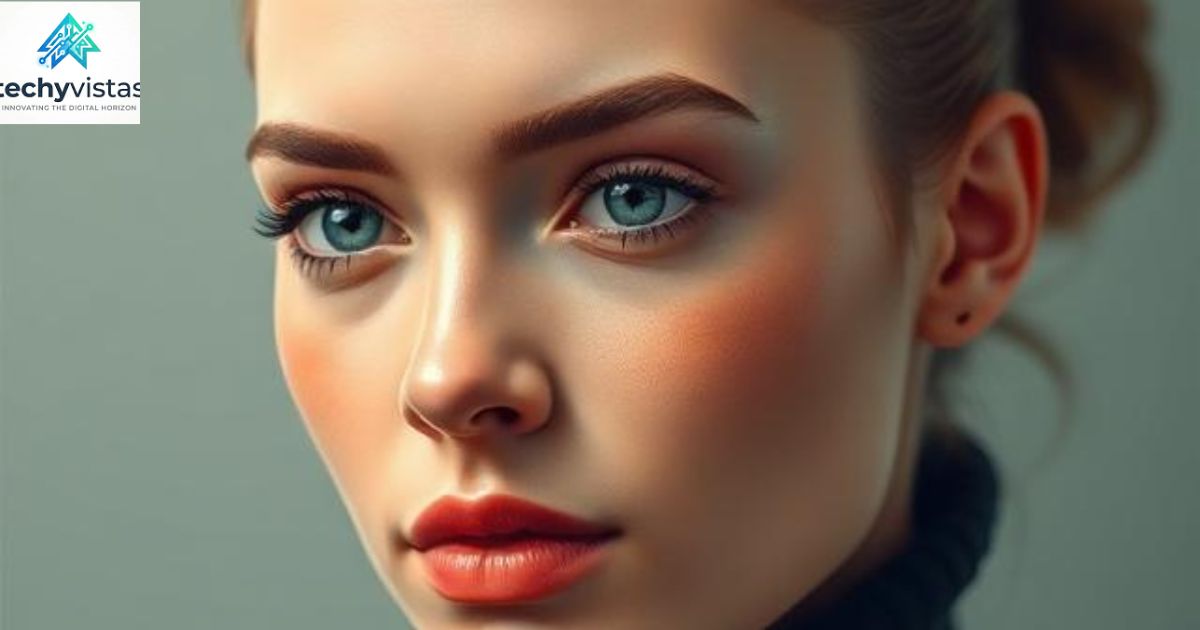
Stepping into the world of AI feels exciting, especially when you learn how to incorporate yourself in ai image generator tools. Today, anyone can generate AI images of yourself using simple apps that turn your photos into creative visuals. Whether you want fun avatars or realistic portraits, an AI image generator makes the process fast and easy. Many people now use these tools for AI avatar creation, personal branding, and eye-catching content. As technology improves, it becomes easier to create AI photos that truly reflect your look and style. In this guide, you’ll learn practical steps to get started and achieve impressive, high-quality results.
How to incorporate yourself in AI image generator Work (Understanding the Technology)
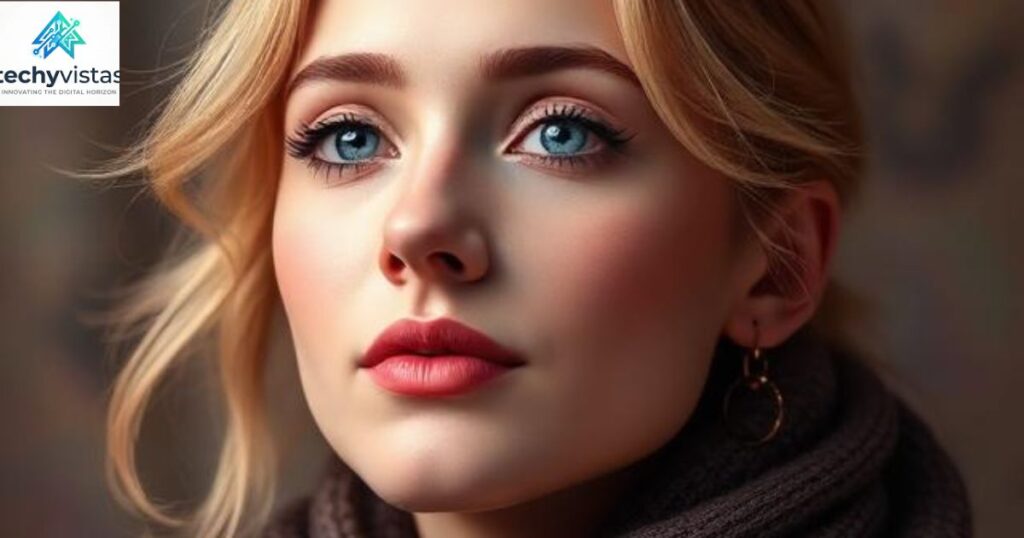
Ever wondered what happens behind the scenes? An AI image generator uses text-to-image AI and image-to-image generation to analyze your face. It relies on AI model training and AI facial mapping to recreate your features accurately.
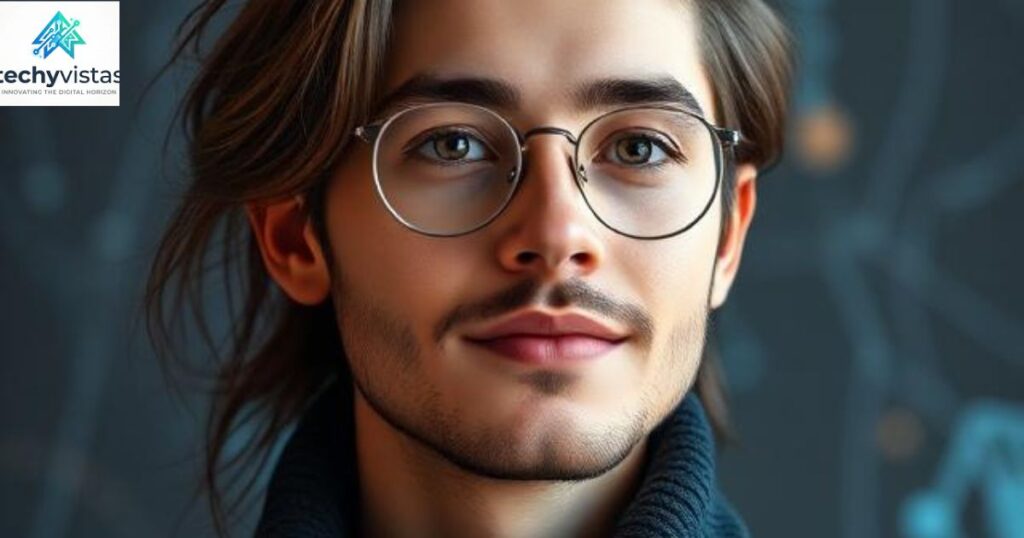
Advanced tools like GlobalGPT, Flux 1.1 Pro, and Nano Banana use AI fine-tuning and AI image rendering to produce photorealistic AI images. These systems learn through dataset preparation and improve through AI model learning, ensuring better AI likeness accuracy over time.
How to incorporate yourself in AI image generator : Why People Are Using AI to Create Images of Themselves
From curiosity to creativity, people love experimenting. Many users in the USA use AI image generator tools for social media avatars, AI profile pictures, and unique personal branding images that stand out online.
Beyond fun, this trend supports AI content creation and professional visuals like YouTube thumbnails and business logos AI. With creative AI art tools, users can explore endless styles while building a strong digital presence.
How to incorporate yourself in AI image generator: Choosing the Best AI Image Generator (Free & Paid Tools)
Picking the right tool can change everything. Free tools help beginners generate AI images of yourself, but they often limit quality and privacy. Paid platforms like GlobalGPT combine tools like Ideogram 3.0 and Claude 4.5 Sonnet for better results.
If you want high-fidelity images and high-resolution (4K quality) output, premium tools offer better AI image customization and AI image optimization. They also support full AI image workflow, making the process smoother and faster.
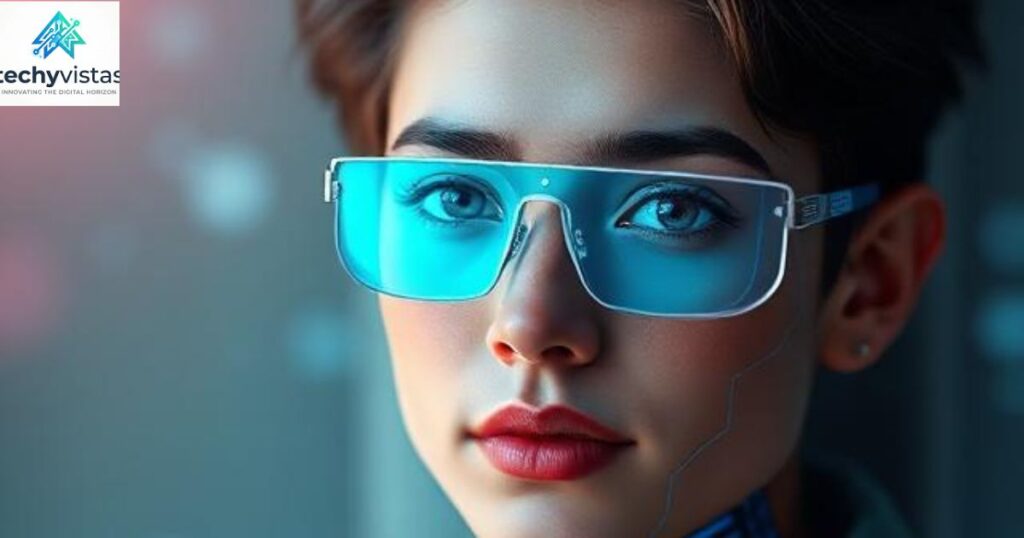
How to incorporate yourself in AI image generator: Step-by-Step Guide to Generate AI Images of Yourself
Getting started is easier than you think. First, upload clear photos into an AI image generator. Then choose a tool like Flux 1.1 Pro or Nano Banana and begin your AI image generation workflow with proper settings.
Next, write prompts using AI image prompt writing techniques. Tools like Claude 4.5 Sonnet assist in AI prompt optimization, helping you refine ideas. Finally, review outputs, apply AI photo enhancement, and download your polished images.
How to incorporate yourself in AI image generator: Preparing Your Photos for Best Results (Dataset Tips & Requirements)
Great results start with good photos. For effective custom AI model training, you need 12–20 clear images. This improves image consistency and ensures accurate AI face recognition during the dataset training process.
Focus on lighting, angles, and expressions. Strong dataset preparation improves photorealistic results and avoids errors. Also, use a unique trigger word AI to help the model remember your identity during generation.
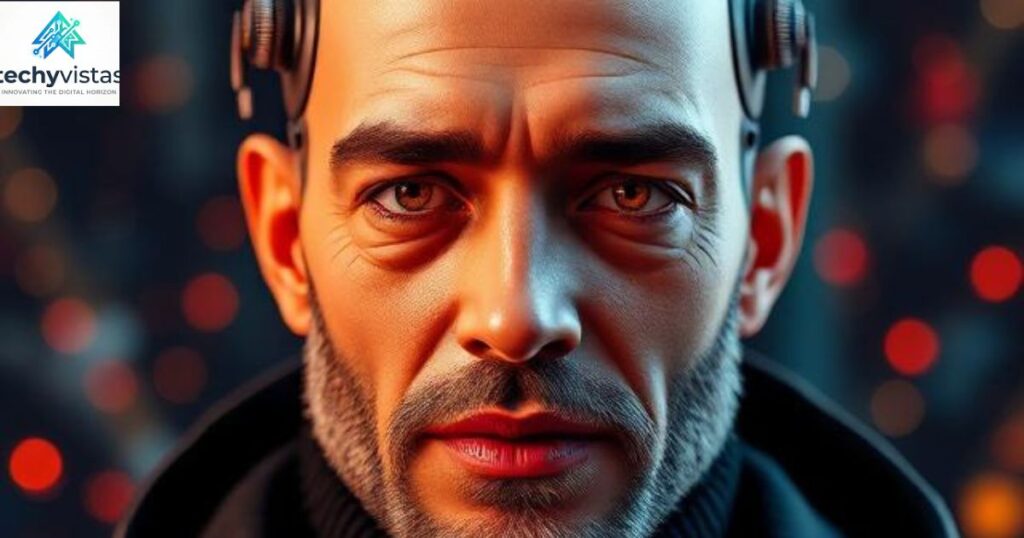
How to incorporate yourself in AI image generator: Different Methods to Create AI Images of Yourself (Beginner to Pro)
Not all methods work the same way. The reference mode AI uses a single photo to create quick results. This reference image AI approach is simple and perfect for beginners exploring AI art creation tools.
For advanced users, LoRA (Low-Rank Adaptation) supports deep LoRA training AI and custom AI model training. Meanwhile, the face swap method uses a face swap AI tool to replace faces instantly, ensuring perfect realistic facial features.
How to incorporate yourself in AI image generator: Customizing Your AI Images (Styles, Backgrounds, and Effects)
This is where creativity shines. You can apply different AI image styles (anime, 3D, cinematic) to your photos. Add unique backgrounds, outfits, and effects to enhance your AI character generator results.
With tools like Ideogram 3.0, you can design visuals with text for business logos AI or YouTube thumbnails. Customization also improves AI image rendering and gives you visually stunning outputs.
How to incorporate yourself in AI image generator: Advanced Prompting Techniques for Realistic AI Photos
Want better results instantly? Strong prompt engineering plays a key role. Start prompts with your trigger word AI and describe details like lighting, mood, and setting for improved AI likeness accuracy.
Using tools like Claude 4.5 Sonnet, you can refine prompts through AI prompt optimization. This improves image-to-image generation and ensures outputs look natural with cinematic lighting and realistic depth.
How to incorporate yourself in AI image generator: Editing and Improving AI Images (Face Swap, Enhancements & Fixes)
Even great images need tweaks sometimes. Use AI image editing tools and AI photo enhancement to refine your visuals. Fix lighting, improve sharpness, and enhance facial details easily.
For perfect results, combine Flux 1.1 Pro with a face swap AI tool. This hybrid approach boosts AI likeness accuracy and delivers photorealistic AI images with flawless image consistency.
How to incorporate yourself in AI image generator: Common Mistakes to Avoid When Generating AI Images
Small mistakes can ruin results quickly. Using low-quality photos reduces AI image optimization and leads to poor AI facial mapping. Always ensure your dataset is clean and clear.
Another issue is weak prompts. Poor AI image prompt writing leads to unrealistic outputs. Also, ignoring denoising strength and reference strength settings can affect your final image quality.
How to incorporate yourself in AI image generator: Privacy, Ethics, and Safety Considerations
Your data matters more than you think. When using an AI image generator, always consider biometric data protection and avoid platforms with weak data security AI policies.
Misuse can lead to serious problems. Be aware of deepfake risks and respect the right of publicity. Choose tools that support private AI image generation to protect your identity and avoid AI privacy concerns.
Final Thoughts and Best Practices
Creating your digital version has never been easier. With the right AI image generator, you can explore digital avatar creation, enhance creativity, and build strong AI digital identity for personal or professional use.
Keep experimenting and improving. Use better prompts, refine your AI image workflow, and explore tools like GlobalGPT and Replicate. Over time, your results will improve with stronger AI model learning and creativity.

1 thought on “How to incorporate yourself in AI image generator (Complete Step-by-Step Guide)”