

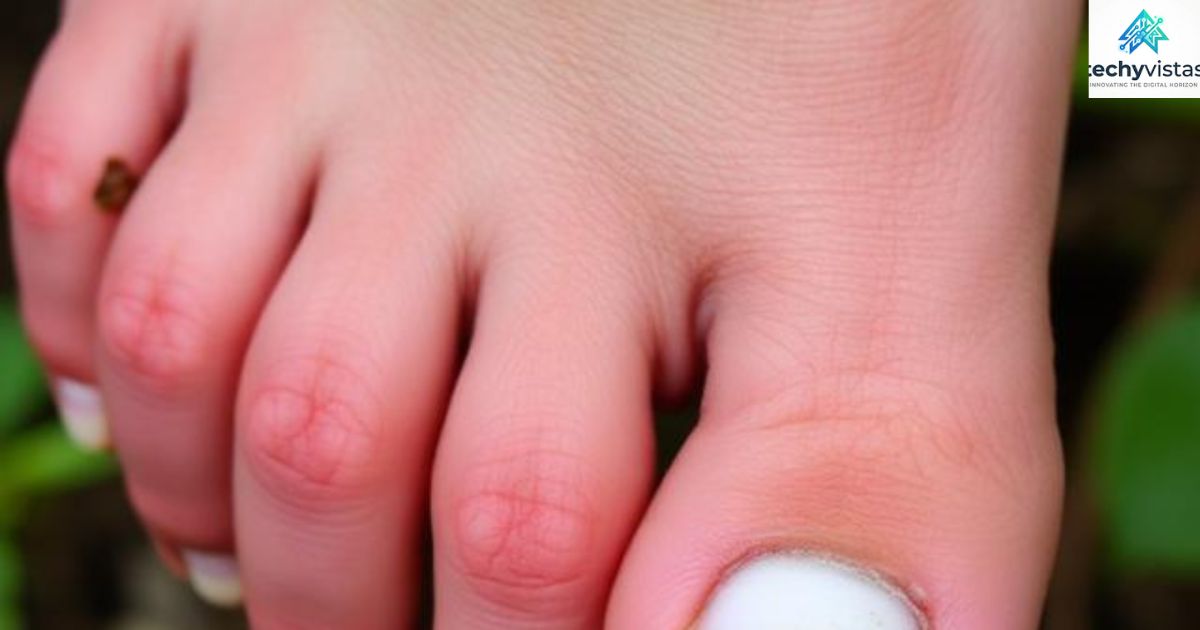
What Are Plantar Warts?
Dealing with foot discomfort can feel frustrating, especially when you don’t know the cause. Plantar wart symptoms often start small but can quickly turn into painful spots that affect your daily routine. These growths, commonly known as verruca plantaris, appear on pressure points like the heel and may cause foot warts pain when walking. Since they are linked to a HPV foot infection, understanding the early warning signs is important. Many people confuse them with calluses, which delays proper care. Learning about causes of plantar warts and available plantar warts treatment options can help you act early and avoid long-term discomfort.
What Causes Plantar Warts?
The real trigger behind plantar wart symptoms is the human papillomavirus (HPV), which leads to a foot skin infection HPV that affects the outer skin layer. The virus causes keratin buildup, forming rough skin lesions that develop into visible warts.
Tiny cuts or weak spots allow HPV to enter easily. That’s why causes of plantar warts often include walking barefoot or having dry, cracked skin. Once inside, the virus grows slowly, and symptoms may take weeks to appear.
How Do Plantar Warts Spread?
Plantar wart symptoms spread faster than you might think, especially in shared spaces. The virus transfers through skin-to-skin contact or from contaminated surfaces found in communal changing rooms or gyms across the U.S.
Warm and damp places increase swimming pools infection risk, making them hotspots for contagious skin warts. Shared towels and shoes also play a role in wart spreading causes. Even minor contact can pass the infection if the skin is vulnerable.
Common Symptoms of Plantar Warts
At first glance, plantar warts symptoms may look harmless, but they reveal clear warning signs. You may notice white or skin-colored growths with rough skin lesions and tiny black dots in warts, which are actually clotted blood vessels.
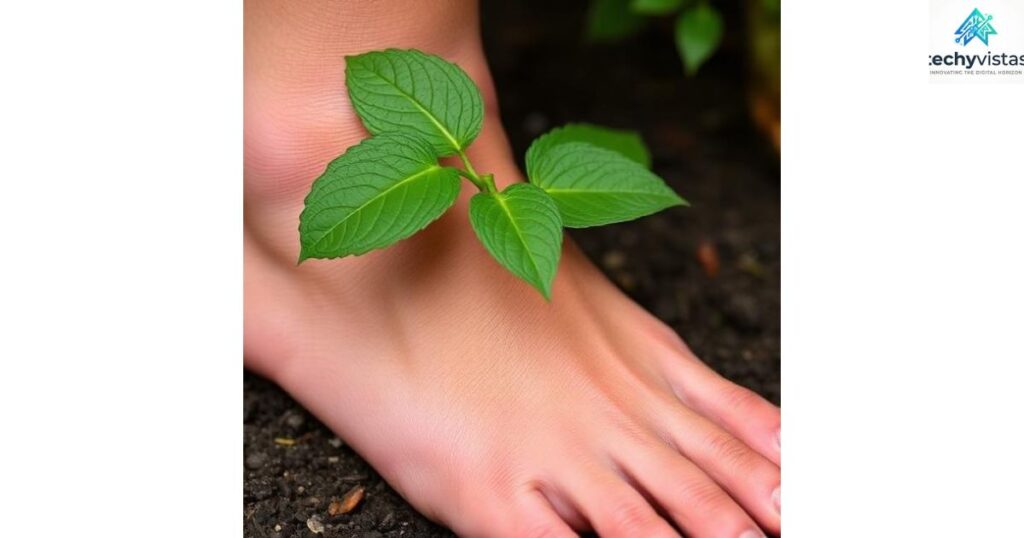
As the wart grows, you may feel heel pain when walking or discomfort while standing. Many people report painful warts on heel due to pressure. The inward-growing wart can also form thick callused skin, making movement uncomfortable.
Early vs Advanced Plantar Wart Symptoms
Early plantar wart symptoms often appear as small, flat spots with mild irritation. However, as the wart develops, it becomes thicker and may show wart color changes or even bleeding warts in severe cases.
Advanced symptoms include increased foot warts pain and spreading clusters like mosaic plantar warts. Ignoring early signs can make plantar warts removal more difficult, so early attention always helps.
Types of Plantar Warts
Understanding the types of plantar warts can help you manage plantar wart symptoms better. A single wart is called a solitary wart, while clusters are known as mosaic plantar warts, which can spread widely on the foot.
Each type behaves differently. Solitary warts may cause localized pain, while mosaic plantar warts can cover larger areas and increase discomfort. Both types result from the same viral skin infection but vary in appearance and severity.
Who Is Most at Risk of Plantar Warts?
Some people face a higher chance of developing plantar wart symptoms. Children and teenagers risk is especially high because their immune systems are still developing and they often walk barefoot in shared spaces.
Adults with a weakened immune system or immune system disorders are also more vulnerable. Athletes, swimmers, and gym users in the U.S. face higher exposure due to frequent contact with contaminated surfaces.
How Are Plantar Warts Diagnosed?
Spotting plantar wart symptoms early can save you time and discomfort. In most cases, doctors perform a simple plantar wart diagnosis by examining the wart’s appearance and checking for black dots in warts.
If the case seems unusual, a skin biopsy may be done to confirm the condition. This helps rule out other dermatological condition issues. Fortunately, most diagnoses are quick and don’t require complex testing.
Effective Treatment Options for Plantar Warts
When plantar wart symptoms become painful, treatment becomes necessary. Common plantar warts treatment options include salicylic acid wart treatment and cryotherapy for warts, also known as cryotherapy (liquid nitrogen freezing).

Doctors may also suggest trichloroacetic acid treatment or immunotherapy for warts in stubborn cases. These methods aim to remove infected tissue and boost the body’s defense against the virus effectively.
Over-the-Counter vs Prescription Treatments
Choosing between over-the-counter wart treatment and prescription care depends on severity. Mild plantar wart symptoms often respond well to over-the-counter treatments like salicylic acid therapy.
However, persistent cases may need stronger solutions such as liquid nitrogen wart treatment. Doctors may recommend tailored plantar warts removal plans for faster recovery.
How to Remove Plantar Warts at Home
Many people try plantar wart home remedies before visiting a doctor. Popular methods include apple cider vinegar for warts and duct tape wart removal, both considered natural remedies for warts.
While these home wart removal techniques can help, results vary. Apple cider vinegar treatment may slowly break down the wart, while the duct tape method works by irritating the skin to trigger healing.
Surgical and Advanced Removal Methods
If plantar wart symptoms don’t improve, advanced procedures may be needed. Options include laser wart removal, electrosurgery, and other wart surgery options designed for stubborn cases.
Laser cauterization burns the wart tissue, while electrosurgery removes it with heat. These methods are effective but may cause minor scarring, so doctors usually recommend them as a last step.
How to Prevent Plantar Warts
Preventing plantar wart symptoms starts with simple daily habits. Good foot hygiene practices and wearing sandals in public areas can reduce exposure to the virus significantly.
You should also avoid sharing items and focus on plantar wart prevention by covering warts with plaster and practicing daily sock changes. HPV vaccination may offer additional protection, especially for younger individuals.
When to See a Doctor for Plantar Warts
Sometimes plantar wart symptoms need medical attention. If you notice bleeding warts, severe pain, or rapid wart color changes, it’s best to consult a healthcare provider.
People with immune system disorders or ongoing discomfort should not delay treatment. Early care improves results and helps you learn how to remove foot warts safely without complications.
